
What a Youth Ministry App Should Include
Youth ministry has always been about meeting students where they are. Today, that means recognizing a simple reality: students are spending more than 7 hours a day on their phones. Instead of fighting for a few moments of attention each week, youth pastors have an opportunity to disciple students in the space they already live.
That approach is deeply biblical. In 1 Corinthians 9:20–22, Paul talks about becoming all things to all people so that some might be saved. The mission has not changed, but the methods can. A youth ministry app is not about being trendy. It is about being intentional.
So what should a youth ministry app actually include?
1. Strong communication with clear safety guardrails
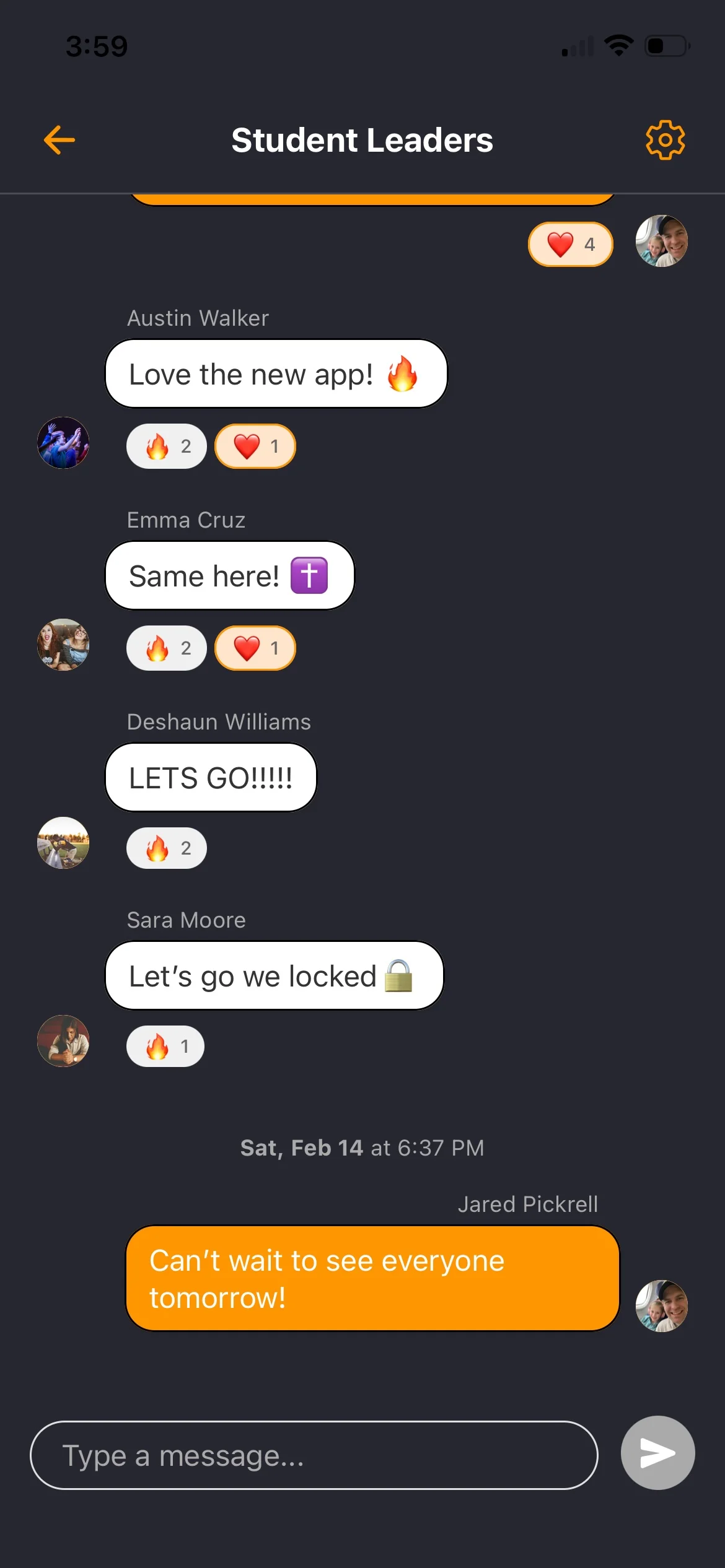
A youth ministry app should make communication simple, effective, and safe.
Youth pastors need a way to send announcements, organize groups, and keep students connected throughout the week. But student safety cannot be an afterthought. The goal is not to build another social media platform or create a ministry version of Snapchat. The goal is to create a healthy digital environment that supports discipleship.
That means a good youth ministry app should include features like group-based messaging, leader communication, and accountability tools. For example, leaders should be able to schedule announcements by group, students should be able to message within the groups they are a part of, and students should be able to directly message their group leader when they need support. At the same time, students should not be able to privately direct message each other unchecked.
Safety matters. Every message should be saved and accessible for accountability. Even better, a strong platform should help leaders stay proactive, not just reactive. That is why AI-powered safety reporting can be so valuable. In Fresh Fire, an AI Safety Report reviews the previous 7 days of messages and flags language or conversations that may be inappropriate, helping leaders protect students and respond wisely.
2. Content that goes beyond Wednesday night
A youth ministry app should not stop at communication. It should help students engage with biblical truth all week long.
Too often, a student hears a sermon on Wednesday or Sunday, feels encouraged in the moment, and then has no real pathway to continue engaging with it during the week. A strong youth ministry app bridges that gap.
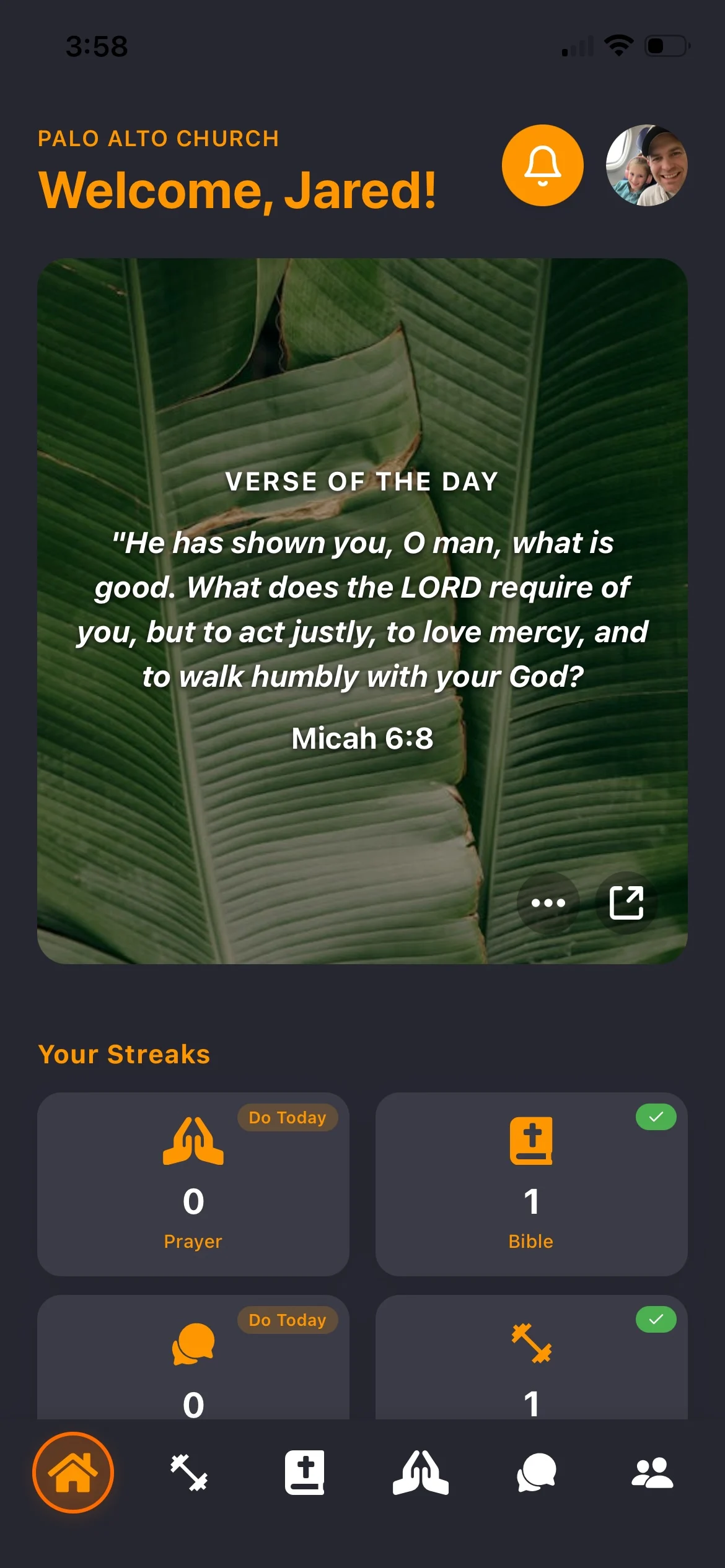
One of the most important features a youth ministry app can include is customizable discipleship content. Youth pastors should be able to take the message they are already preaching and turn it into action. That could look like sermon-based challenges, Bible reading plans, reflection prompts, and follow-up devotionals that help students not just hear truth, but live it out.
Fresh Fire was built with this in mind. Youth pastors can turn their sermons into Bible reading plans and challenges for students to participate in throughout the week. They can even schedule content to appear on students’ home screens at the right time, keeping biblical encouragement in front of them when they need it most.
That kind of consistency helps move faith from being a once-a-week experience to an everyday rhythm.

3. Partnership with parents and small group leaders
A youth ministry app should strengthen the discipleship team around each student.
Youth pastors are not meant to disciple students alone. Parents and small group leaders play a huge role in helping students grow in their faith. A great app should make that partnership easier.
That means parents and small group leaders should be able to follow along with the same Bible reading plans and challenges students are doing. When the adults in a student’s life know what they are learning, they are better equipped to ask good questions, encourage spiritual habits, and continue the conversation outside of youth group.
At the same time, visibility should be thoughtful and flexible. Youth pastors should be able to control what parents and small group leaders can see so they can support students well while still honoring appropriate boundaries. With the right visibility settings, leaders can better understand how students are engaging with content and community and respond with wisdom and care.

4. Visibility into student engagement
A youth ministry app should help youth pastors see what is happening between gatherings.
One of the biggest challenges in youth ministry is not always knowing who is drifting, who is growing, and who may need extra support until it is too late. When discipleship only happens in person once or twice a week, it can be easy to miss what is going on in a student’s life.
A well-built youth ministry app gives leaders better visibility into engagement all week long. It can help answer questions like:
- Which students are starting to disengage?
- Which students are beginning to lean in?
- What patterns are showing up in student reflections?
- What themes are emerging from Bible reading plans and challenges?
This kind of insight is not about tracking students for the sake of data. It is about shepherding them more intentionally. When youth pastors have a clearer picture of engagement, they can follow up sooner, encourage more personally, and lead more effectively.
5. One place for discipleship, communication, and care
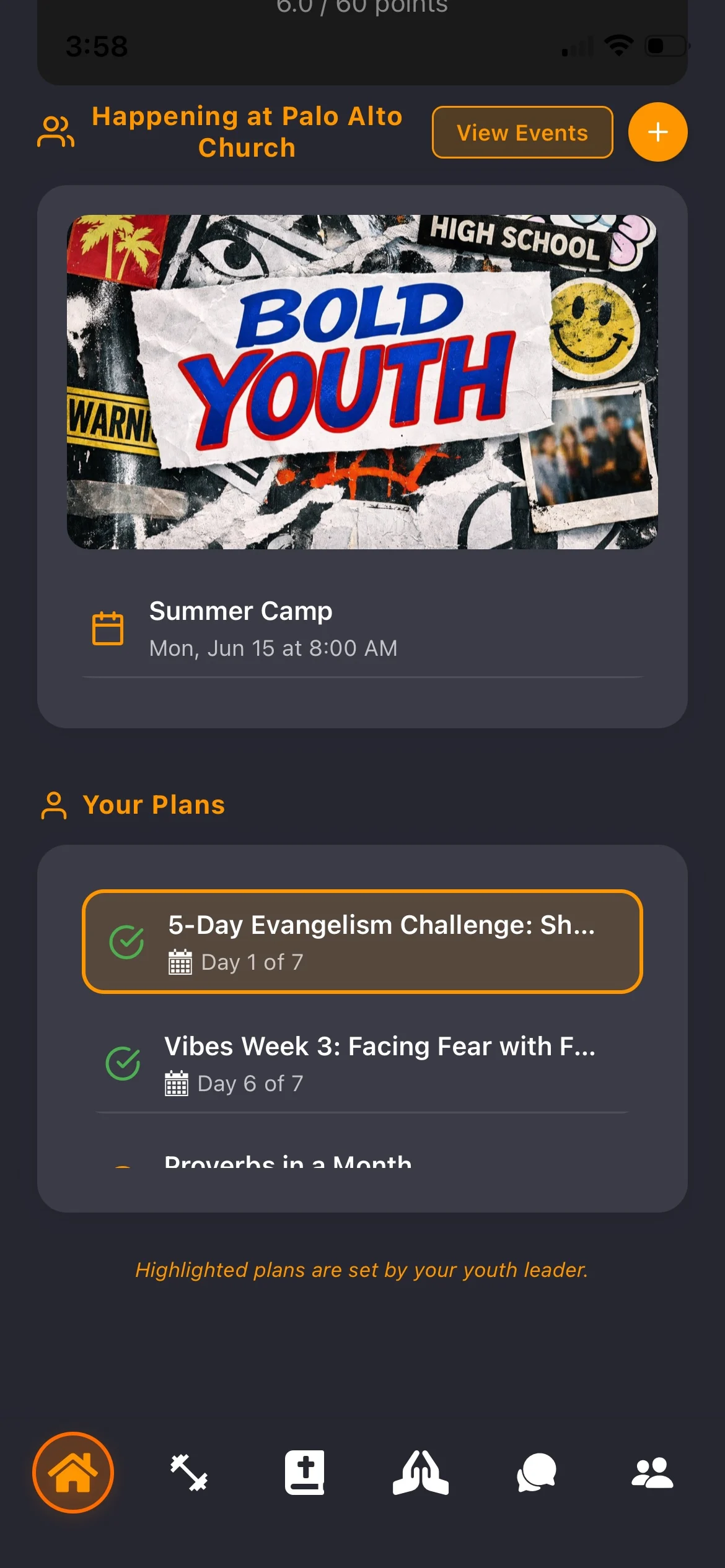
The best youth ministry app is not just a collection of features. It is one central place where ministry can happen throughout the week.
When communication, sermon follow-up, parent partnership, student engagement, and safety all live in one place, youth pastors can lead with more clarity and less chaos. Instead of juggling multiple tools and hoping students stay connected, they can create a digital environment that supports real spiritual growth.
A youth ministry app should help leaders do more than share announcements. It should help them disciple students, protect students, equip parents, empower small group leaders, and stay connected to what God is doing all week long.
That is the vision behind Fresh Fire.
Because ministry does not stop when youth group ends — and discipleship should not either.
Youth Ministry App: Frequently Asked Questions
What is a youth ministry app?
A youth ministry app helps churches communicate with students, support Bible reading and prayer, and keep youth groups connected between gatherings. It gives youth pastors, parents, and small group leaders tools to support discipleship throughout the week.
What features should a youth ministry app include?
Look for announcements, group messaging, customizable Bible reading plans, challenges, prayer, parent involvement, and engagement insights. Communication safeguards—such as saved messages, visibility settings, and tools for reviewing concerning conversations—should also be part of the app.
How is Fresh Fire different from a group messaging app?
Group messaging is just one part of Fresh Fire. The app is intentionally designed for youth ministry, bringing communication, Bible reading plans, challenges, prayer, parent involvement, and engagement insights together. It helps youth pastors carry discipleship beyond the weekly gathering and equips leaders to care for students throughout the week.
How is Fresh Fire different from a church app?
Church apps typically serve the whole congregation, with tools for giving, sermons, registrations, and church updates. Fresh Fire focuses specifically on student ministry: helping students build spiritual habits, connecting small groups, involving parents, and giving youth leaders insight into student engagement. It can work alongside your church app while serving the specific needs of your youth group.
Can students under 13 use Fresh Fire?
Yes. Fresh Fire supports students under 13 through parent-created accounts and parental consent, helping younger middle school students participate alongside the rest of their youth group.
Age restrictions matter when choosing an app for youth ministry. Church Center, for example, does not allow users under 13 to log in, which can leave some sixth graders unable to participate. COPPA sets privacy and parental consent requirements for covered services that collect personal information from children under 13. Fresh Fire includes an account setup process for this younger age group.
How does Fresh Fire support safer communication?
Fresh Fire saves messages for accountability and provides weekly AI Safety Reports that flag potentially concerning conversations for leaders to review. These tools help youth leaders stay informed and support responsible communication. They complement adult oversight and your church’s student safety policies.
Can youth pastors create their own Bible reading plans?
Yes. Fresh Fire lets youth pastors turn sermons into Bible reading plans and challenges that students can follow throughout the week. Leaders can build on what they are already teaching and give students practical ways to read Scripture, reflect, and put their faith into action.
How can parents and small group leaders participate?
Parents and small group leaders can follow the Bible reading plans and challenges students are completing, giving them opportunities to ask questions, encourage consistency, and continue the conversation. Youth pastors control visibility settings so adults have appropriate access to support students.
How can Fresh Fire help leaders follow up with students?
Fresh Fire gives leaders visibility into student engagement between gatherings. Those insights can help leaders notice changes in participation and start a personal conversation. App activity provides a starting point for follow-up; knowing a student still takes relationships, listening, and care.
